November 3, 2026
Modern residential infrastructure depends on complex networks hidden beneath flooring and behind drywall, keeping clean water flowing and waste safely moving outward. When unexpected breakdowns disrupt domestic operations, panic often sets in because structural damage develops rapidly around burst pressurized tubing or backed-up sewer waste. According to Contractor Magazine, 49% of homeowners rank plumbing and water pipe failures as their top emergency concern, ahead of roof and electrical issues. Knowing what mechanical defects demand licensed intervention helps families react rationally. Partnering with a skilled local plumber ensures dangerous disruptions are handled accurately before escalating into devastating property losses.
1. Diagnosing Unseen Leaks Through Structural Foundations
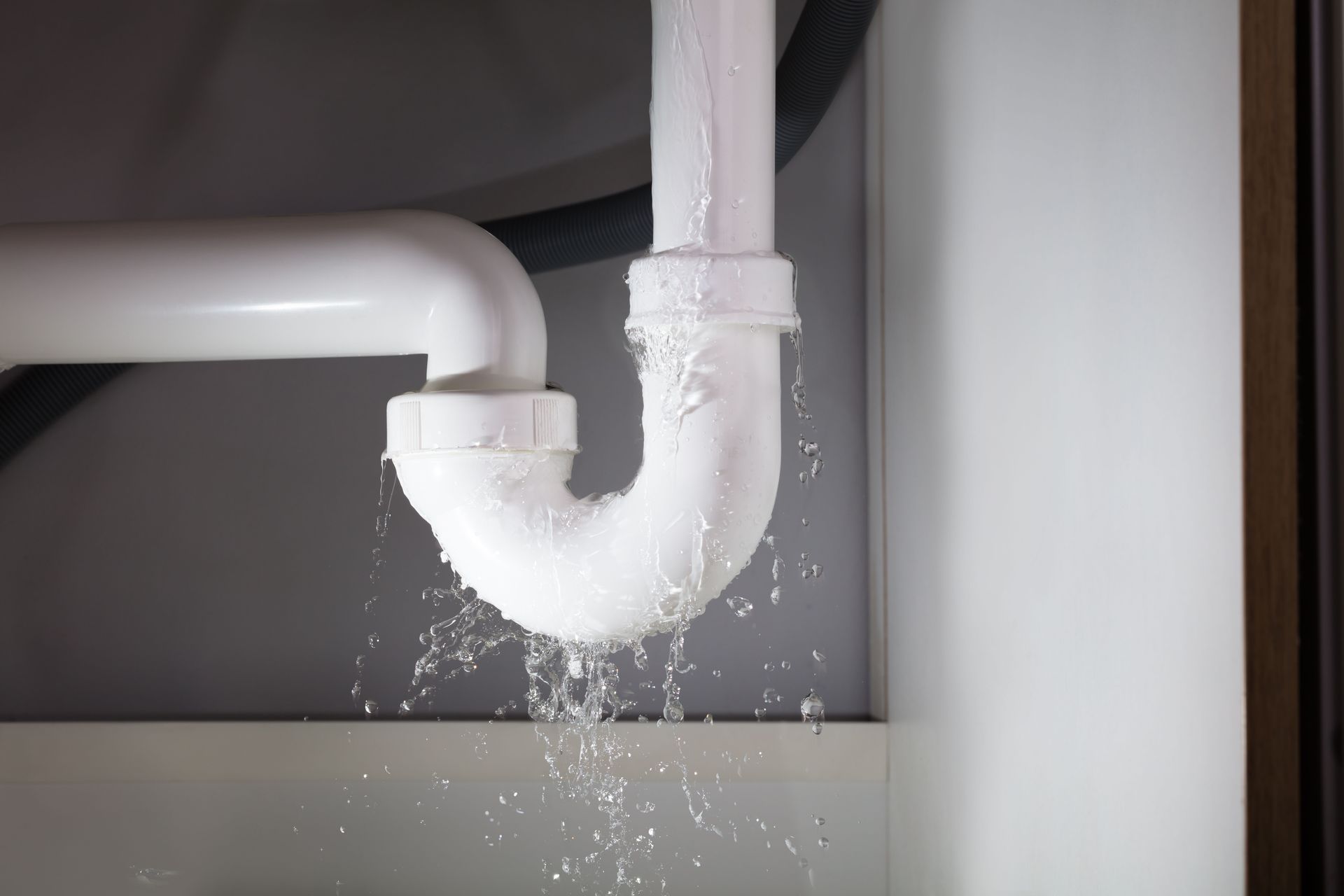
Slab leaks develop silently beneath thick poured concrete, creating severe structural erosion before moisture ever reaches interior floorboards. Licensed tradespeople arrive equipped with acoustic listening discs, thermal imaging cameras, and tracer gas sensors to isolate the microscopic rupture without tearing up finished living quarters. Escaping pressurized streams gradually destabilize surrounding subsoil, encouraging catastrophic foundation settlement if neglected. Rather than smashing wide exploratory trenches across bedrooms, certified specialists pinpoint the exact pipe section needing modern rerouting or localized patching. Calling a local plumber early preserves real estate value, stops hidden fungal colonies, and eliminates runaway monthly municipal utility statements.
2. Clearing Stubborn Blockages in Main Sewer Lines
Tree roots relentlessly seek nourishment by creeping through tiny hairline fractures within underground earthenware or cast lateral conduits. Once vegetation enters, fibrous root balls snag solid human waste, toilet paper, and fibrous debris, generating complete operational standstills across entire households. Industrial motorized augers and high-pressure hydrodynamic jets slice through dense organic intrusions without fracturing aged pipe walls. Technicians run waterproof fiber-optic cameras down the cleanout port to inspect inner conduit health immediately after hydrojetting. Rapid physical intervention prevents contaminated brown effluent from backing up inside low basement floor drains and primary ground showers.
3. Restoring Inconsistent Hot Water From Domestic Tanks
Water heaters endure relentless thermal expansion cycles while collecting heavy calcium carbonate crusts across interior electric elements and gas burners. As time passes, this calcified sediment insulation causes loud popping sounds, fluctuating bath temperatures, pressure relief valve failures, or total heating system breakdowns. Trained technicians thoroughly descale tanks, swap out degraded sacrificial magnesium anode rods, and test critical safety pressure valves against factory specifications. When storage vessels corrode completely from relentless internal oxidation, mechanics manage proper electrical disconnection and natural gas ventilation. Hiring a reliable local plumber restores dependable shower temperatures and prevents scalding mechanical defects inside domestic utility closets.
4. Replacing Corroded Galvanized Tubing With Modern Copper
Homes constructed before the mid-twentieth century frequently feature zinc-coated iron pipes that inevitably develop internal rust tubercles as decades pass. This slow metallic oxidation chokes clean fluid delivery down to narrow pinholes, staining laundry and producing rusty drinking water. Technicians systematically map out historic routes, removing fragile metallic channels and fitting smooth cross-linked polyethylene or soldered rigid copper. The upgraded supply lines deliver robust volumetric flow to modern multi-head showers while preventing unexpected wall cavity floods. Upgrading antiquated interior distribution networks requires specialized knowledge of regional building codes, spatial fire safety clearances, and modern pressure regulation devices.
5. Repairing Leaky Cartridges to Protect Delicate Fixtures
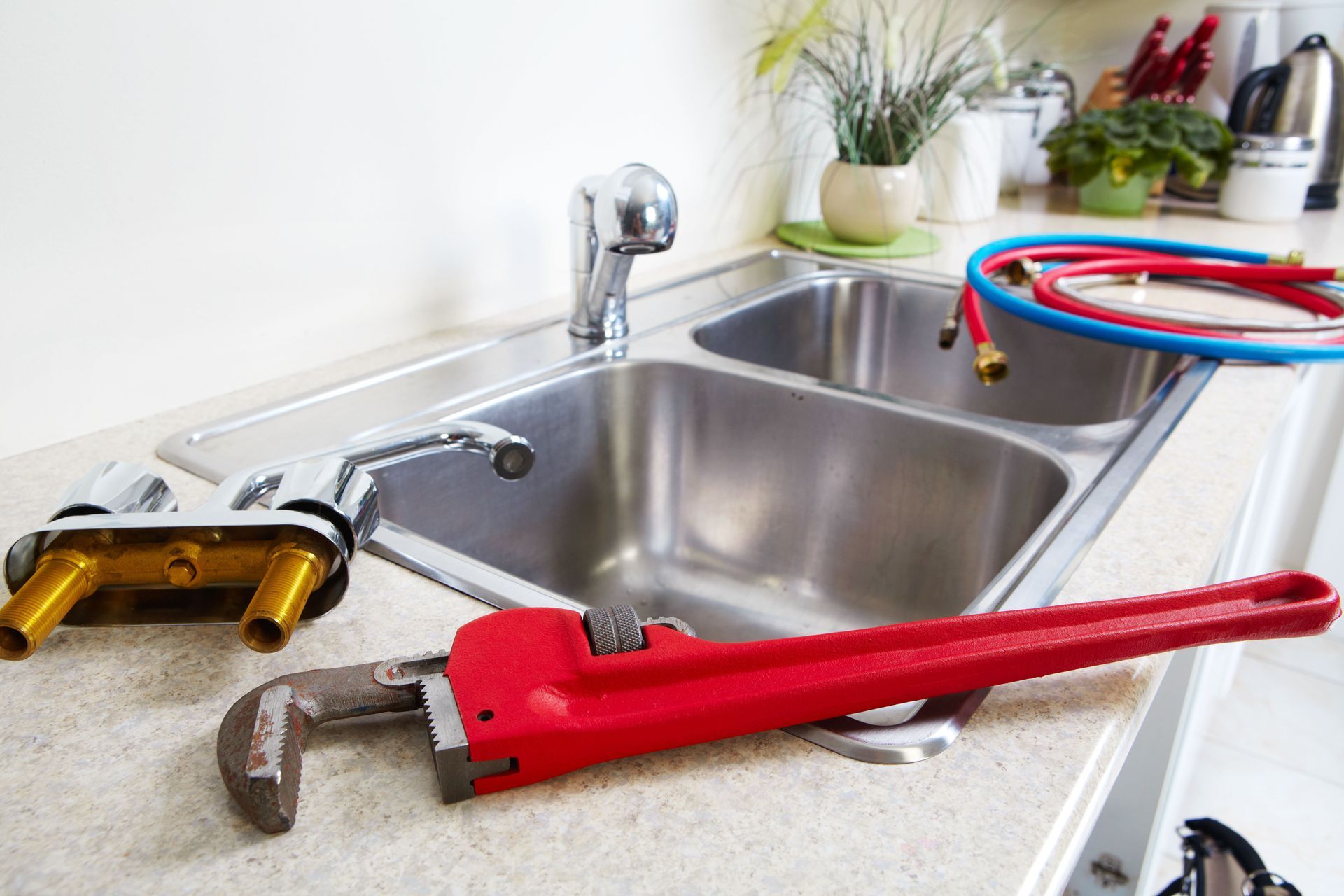
Dripping sink faucets and continuously running bathroom valves waste thousands of gallons annually while eroding decorative metallic finishes through mineral scaling. Internal rubber O-rings, springs, and ceramic disc mixing cartridges degrade under municipal friction, permitting pressurized liquid to bypass interior seals. Rather than replacing entire designer sink fixtures, mechanics disassemble corroded handle assemblies, flush trapped grit, and seat precision factory parts. Proper valve adjustment prevents water hammer shockwaves from violently rattling concealed bathroom plumbing whenever single levers snap shut. Calling a local plumber resolves irritating audible dripping while protecting delicate washroom vanity cabinetry from rotting under silent sub-sink seepage.
6. Upgrading Defective Sump Pumps During Heavy Storms
Basement drainage pits collect rising perimeter groundwater during torrential rainstorms, directing hydrostatic pressure away from vulnerable foundation footings. When mechanical float switches stick or electric motor impellers jam on silt, basement floor cavities submerge under floodwaters within hours. Professionals install dual-pump configurations featuring secondary battery-operated backup units and smart digital high-water alarms for added security during widespread grid outages. Technicians calculate exact discharge head height, ensuring check valves close firmly to prevent pumped fluids from cascading backward into the home. Routine diagnostic testing verifies proper mechanical discharge before devastating flash downpours trigger expensive subterranean carpet restoration claims.
7. Rebuilding Running Toilets to Conserve Municipal Water
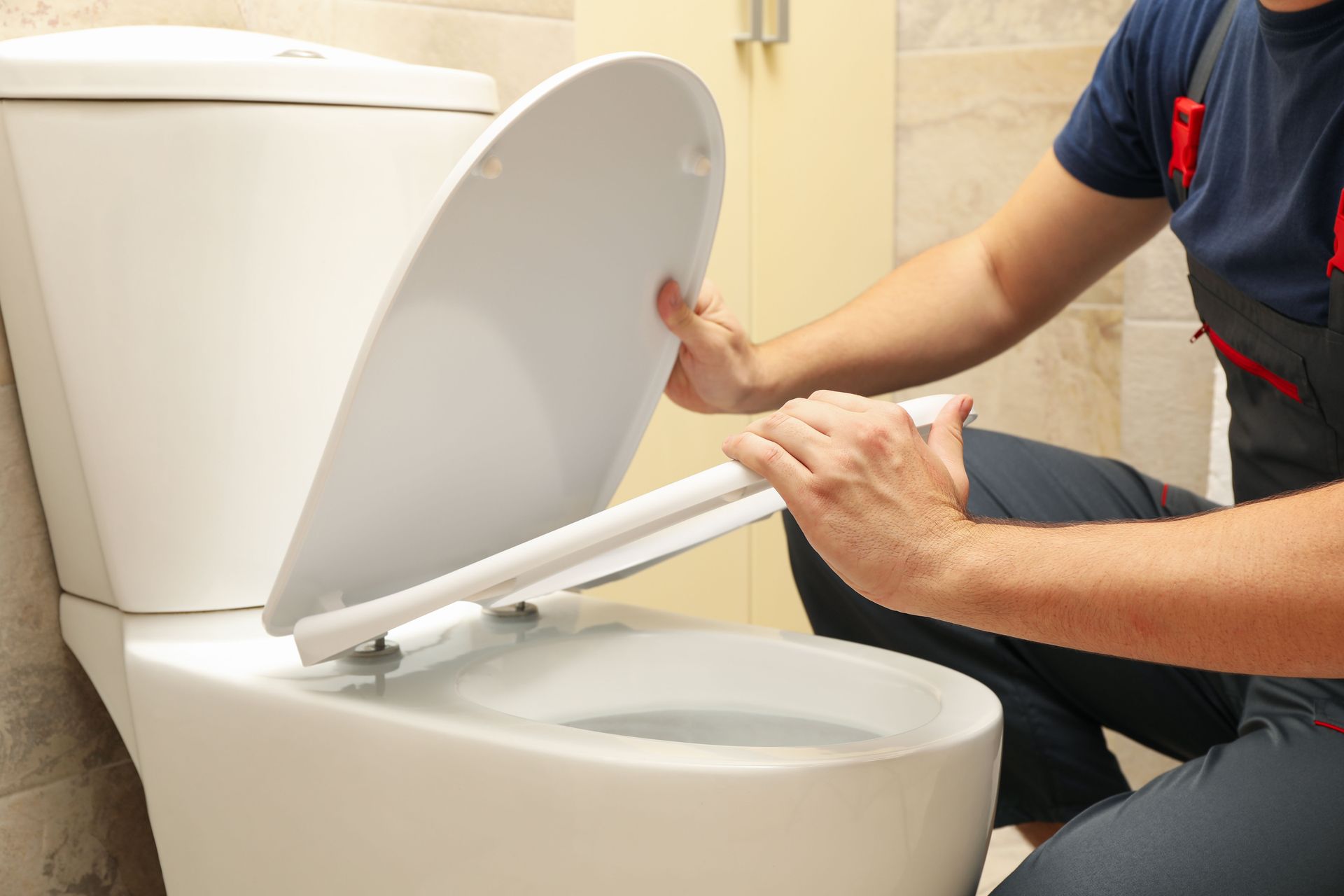
A continuously hissing toilet tank usually signals degraded flapper rubber, a cracked overflow tube, or an improperly adjusted ballcock valve. Because clean water runs invisibly down the porcelain bowl, homeowners frequently overlook the mechanical failure until astronomical billing statements arrive. Technicians quickly replace worn silicone flush seals, trim corroded lift chains, and tune fluid intake levels to factory specifications. When aged porcelain mounting bolts loosen, sewage gases seep past dried wax seals, producing foul bathroom odors and wobbly bases. A seasoned local plumber resets unstable toilets atop fresh reinforced polyurethane wax gaskets, eliminating rocking movement while preserving subflooring integrity.
8. Installing Advanced Filtration for Cleaner Kitchen Water
Municipal treatment plants deliver disinfected tap supplies, yet distributed fluids frequently carry excessive chlorine, sediment, and heavy pipe minerals into homes. Mechanics install whole-house carbon block filtration systems, water softeners, and multi-stage reverse osmosis drinking units beneath food preparation areas. Softened water eliminates stubborn limescale buildup inside expensive espresso machines, dishwashers, and water heaters, extending their operational lifespan substantially. Technicians balance incoming line pressures and plumb dedicated drain lines to ensure continuous regeneration cycles execute without contaminating clean potable supplies. Proper installation practices safeguard residential drinking supplies against microplastics, volatile organic chemicals, and unpleasant metallic aftertastes.
9. Resolving Low Flow Conditions Across Upper Floors
Weak showers and trickling sink spouts on second stories usually indicate hidden distribution bottlenecks, failing pressure regulators, or calcified supply lines. Specialists thread specialized pressure gauges onto outdoor hose bibbs and indoor faucets to measure municipal static and dynamic pressure levels. If incoming pressure drops below safe operational thresholds, technicians service the main municipal pressure-reducing valve or install powerful booster pumps. If mineral scale constricts localized branch lines, mechanics perform targeted chemical descaling flushes or end up repiping constricted upper-story risers. Resolving fluid delivery limitations ensures multiple showers, washing machines, and outdoor sprinklers operate simultaneously without dramatic volumetric drops.
10. Unfreezing Rigid Conduits During Freezing Winter Snaps
Sub-zero winter air infiltrates uninsulated crawl spaces and exterior wall cavities, freezing trapped supply fluids until expanding ice splits rigid conduits. When frozen blockages occur, using open propane torches risks igniting surrounding timber studs, fiberglass insulation, and electrical wire coatings. Licensed technicians apply controlled electric resistance thawing equipment and specialized infrared thermal heaters along frozen metal runs to safely melt ice. Once fluids resume moving, mechanics thoroughly inspect thawed channels for hairline stress splits, immediately replacing fractured sections before high-pressure water escapes. A local plumber subsequently installs thick closed-cell foam insulation and thermostatically controlled heat trace cables to prevent future freezes.
Navigating unexpected mechanical breakdowns inside domestic pipe networks requires expert technical craftsmanship, specialized instrumentation, and comprehensive understanding of regional sanitation codes. Whether addressing subtle slab moisture leaks, corroded interior supply conduits, or violent basement sewer backups, attempting makeshift repairs risks worsening property damage. Professional intervention quickly stabilizes erratic supply pressures, eliminates hazardous bio-waste contamination, and prevents catastrophic structural rot throughout floor systems. Homeowners should observe subtle warnings like hissing fixtures, damp drywall, and sluggish drains to intervene before minor repairs balloon into major rebuilds. Enlisting qualified professional tradespeople preserves household comfort, sanitary living spaces, and long-term home structural integrity.
Are you seeking a reliable local plumber in Columbus, OH, and the surrounding areas? Look no further than the plumbing professionals at Evolved Services - Plumbing, Electrical, HVAC! Call today to schedule an appointment.