
.webp)
What is sewer line installation?
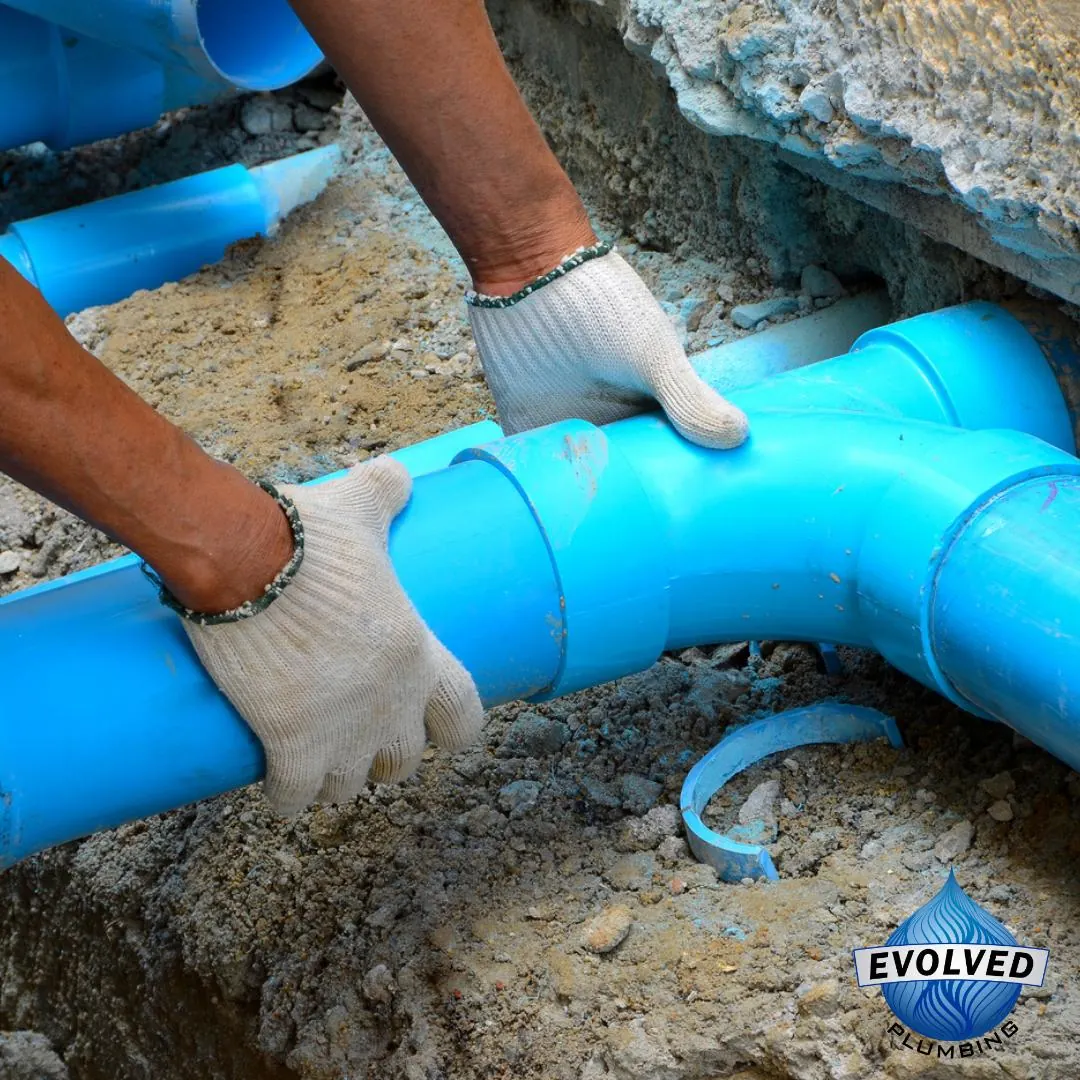
Sewer line installation is the process of installing a new underground pipe that carries wastewater from your home or building to the municipal sewer main. It may involve replacing a damaged line, installing a new line for an addition or remodel, or reconnecting after a failure. A proper install includes diagnosing the problem, choosing the right method (excavation or trenchless when appropriate), meeting local code requirements, and confirming the line drains correctly before the job is considered complete.
When Sewer Line Installation Makes Sense (Not Just a Repair)
Not every sewer issue requires a full replacement—but when it does, pushing it off can lead to repeat backups and larger repair bills. We typically start by identifying whether the problem is a temporary blockage or a structural failure.
Signs you may need a new sewer line
You might be dealing with a sewer line that’s collapsed, cracked, heavily offset, or simply past the point where cleaning helps. Common red flags include:
- Multiple drains are slowing down at once
- Frequent backups (especially after heavy rain or high usage)
- Gurgling toilets or drains
- Persistent sewer odors that return after cleaning
- Yard issues like soggy spots or unexplained pooling
- Backups from a basement floor drain
These symptoms often point to mainline trouble—not a simple sink clog.
Start With the Right Diagnosis: Sewer Camera Inspection
If you’ve ever been told, “We think it’s the main line,” you already know how frustrating guessing can be. That’s why we often recommend a sewer camera inspection before anyone starts digging.
A camera inspection allows us to see what’s happening inside your sewer line in real time—so we can confirm:
- Where the failure or obstruction is
- Whether the pipe is cracked, sagging, offset, or root-invaded
- Whether cleaning is enough—or replacement is the smarter long-term move
This approach helps you avoid paying for the wrong solution.
Excavation Sewer Line Installation (Open-Cut Replacement)
Some sewer line installs require excavation—especially when the pipe is collapsed, severely damaged, or not a good candidate for trenchless methods. The upside of excavation is straightforward access and a full replacement when the situation demands it.
What excavation installation typically includes
While every property is different, an excavation sewer line installation usually follows a clear, step-by-step flow:
- Confirm the issue (often with camera diagnostics)
- Plan the route and access points
- Excavate safely and protect nearby utilities
- Remove the failing section and install new piping
- Verify slope, connections, and flow
- Coordinate any needed inspection steps
- Restore the area and confirm proper drainage
Because we offer excavation services for plumbing projects, we can handle installs and repairs that require access to buried lines without bouncing you between multiple contractors. From complex underground pipe repair in Columbus, OH to more involved plumbing solutions handled through our specialty plumbing and drain services, everything is managed in-house for better coordination, faster timelines, and fewer headaches.
Trenchless Sewer Line Replacement Options (When the Site Allows)
Homeowners often ask if trenchless is available because they want to minimize disruption to landscaping, driveways, or hardscape. Trenchless solutions can be a great fit in the right conditions—especially when the pipe path is accessible, and the damage type allows it.
When trenchless may be a good option
Trenchless methods are often considered when:
- The line is accessible through existing entry points
- The damage is localized, not a complete collapse
- You want to reduce digging in finished yards or tight spaces
- The line can be repaired or replaced without full open-cut access
If trenchless isn’t the right fit, we’ll explain why in plain language and walk you through the practical alternatives—without pressure.
Hydro Jetting vs. Replacement: Don’t Confuse a Clean Line With a Fixed Line
Sometimes the sewer line isn’t “broken”—it’s heavily restricted by buildup. In those cases, hydro jetting can restore flow and reduce repeat clogs by scouring residue from pipe walls using high-pressure water.
When hydro jetting is helpful
Hydro jetting may help if the issue is:
- Grease and sludge buildup
- Recurring clogs from residue catching debris
- Lines that drain but repeatedly slow down
When hydro jetting isn’t enough
If the pipe is cracked, offset, collapsed, or compromised by root intrusion and failing joints, cleaning might buy time—but it won’t solve the underlying structural problem. That’s where sewer line installation becomes the smarter investment.
Sewer Lateral vs. Main Sewer: What You’re Actually Replacing
A lot of Columbus homeowners hear terms like sewer lateral, main line, and city sewer—and it gets confusing quickly.
- The sewer lateral is the line that carries wastewater from your home/building toward the municipal system.
- The main is the public sewer line runs along the street and serves the neighborhood.
In many cases, homeowners are responsible for the private lateral that serves their property, while the city is responsible for the public main system. For Columbus-area specifics and programs, City resources, and Blueprint Columbus material discuss how laterals connect and homeowner responsibility.
(If you’re unsure what part is failing, we can help identify where the issue sits and what options you have.)
Permits, Code, and Sewer Connection Details in Columbus
Any sewer line installation has to be done correctly—not just so it “works,” but so it meets local requirements and protects your home long-term.
The City of Columbus provides guidance on obtaining sanitary sewer service, including permit and connection charge information (which can be relevant when a new connection or official service changes are involved).
Our approach is simple:
- follow Ohio code requirements (our plumbers are licensed and insured),
- use clear diagnostics,
- and complete work in a code-compliant way—without cutting corners.
What Sewer Line Installation Costs in Columbus, OH (What Actually Drives the Price)
We don’t believe in vague ranges that don’t help you plan. The truth is, sewer line installation costs depend on what your property requires.
Cost factors that typically matter most
- Length of the run (how far your home is from the connection point)
- Depth and access (how deep the line is and what’s above it)
- Method (excavation vs. trenchless eligibility)
- Soil conditions and obstacles (tree roots, shifting ground, tight access)
- Permitting/inspection needs depend on the project scope
How Long Does a Sewer Line Installation Take?
Most homeowners want the real answer: “How many days will this disrupt my home?”
Many residential sewer line replacement jobs are often completed in roughly 1–3 days, but timing depends on method, site conditions, and inspection needs. Some sources note that inspections and planning can extend timelines in certain municipalities.
Our goal is to keep the process clear and predictable:
- explain the steps,
- set expectations upfront,
- and keep you updated as the job progresses.
Why Columbus Homeowners Choose Evolved Services - Plumbing, Electrical, HVAC for Sewer Line Work
When it comes to sewer line installation, you don’t want a “quick patch” mindset. You want a plumbing team that diagnoses correctly, communicates clearly, and finishes the job with long-term reliability in mind.
Here’s what we emphasize on every project:
- Licensed and insured technicians
- 24/7 emergency support for urgent sewer and drain issues
- Transparent pricing and honest recommendations
- Modern tools and advanced diagnostics to reduce guesswork
- Financing options when the project can’t wait
You’ll see this same customer-first approach across our core plumbing and drain services in Columbus.
Financing for Sewer Line Installation
Sewer line failures are rarely “convenient.” If the timing is tough, we offer financing options through GoodLeap and Enhancify to help you move forward without putting critical repairs on hold. Financing is available for services that include sewer and drain repairs and excavation projects, with approval subject to lender terms.
Service Area: Columbus and Nearby Communities
We’re based in Columbus, OH, and we also serve nearby areas like Dublin, Westerville, Gahanna, Reynoldsburg, New Albany, Upper Arlington, and more.