
.webp)
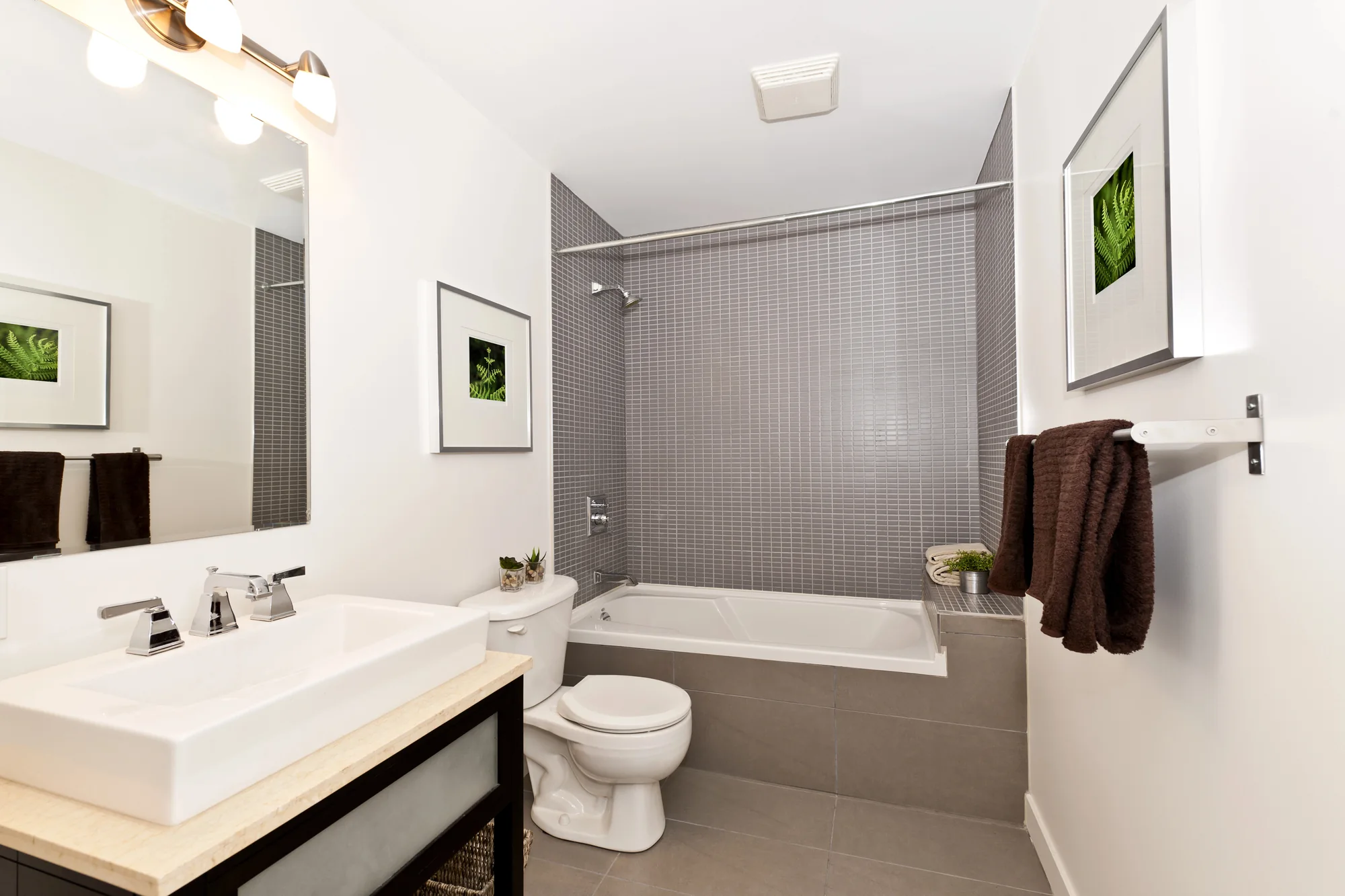
What’s included in professional toilet installation?
Professional Toilet Installation in Columbus, OH typically includes removing the old toilet (if needed), inspecting the flange and shutoff valve, setting and sealing the new toilet, reconnecting the water supply, testing for leaks, verifying proper flush performance, and leaving the area clean and stable.
Why toilet installation is worth doing right the first time
A toilet is one of the most-used fixtures in your home. When it’s installed correctly, you get:
- A stable, wobble-free base (no rocking or shifting)
- A watertight seal at the floor connection (helps prevent hidden leaks)
- Consistent flushing performance
- Better water efficiency (depending on the model)
- Peace of mind that the installation is code-conscious and built to last
On the other hand, a rushed or improper install can lead to leaks at the base, recurring clogs, weak flushing, or water damage that spreads beyond the bathroom.
Toilet Installation in Columbus, OH: When you should replace instead of repair
Sometimes a toilet can be repaired—other times replacement is the smarter move. Here are common signs it’s time to install a new toilet:
Frequent clogs or poor flushing
If plunging is becoming routine, the toilet may be worn internally, poorly matched to your plumbing, or simply outdated compared to modern performance standards.
Cracks in the porcelain (tank or bowl)
Even small hairline cracks can worsen and cause leaks. Porcelain damage is usually a replacement situation.
Leaks around the base
A failing seal (or underlying flange/floor issue) can show up as moisture at the base. A professional inspection determines whether reseating the toilet is enough or whether replacement is the best solution.
The toilet rocks or shifts
This could be an installation problem, a worn flange, or uneven flooring. Either way, it’s not something to ignore—movement can break the seal and cause leaking.
Common bathroom plumbing issues that affect toilet installs
Toilet installation isn’t just swapping fixtures. We look at the full setup so you don’t end up with repeat issues. Our team handles bathroom and general plumbing work—including fixture replacements and repairs—so we can address the root cause, not just the symptom.
Here are a few things that often show up during installs:
- A corroded or broken flange
- A worn shutoff valve
- Supply line issues
- Floor unevenness (causing rocking)
- Drain or vent concerns that contribute to slow or weak flushing.
What to expect when you schedule toilet installation with us
We keep things straightforward and customer-friendly. Here’s what a typical appointment looks like:
1) Quick evaluation and clear options
We confirm what you want (replacement vs. new install), check measurements, and review any issues you’ve noticed.
2) Removal and prep (for replacements)
If you’re replacing an existing toilet, we carefully remove it and inspect the connection point.
3) Install, seal, reconnect, and test
We set the toilet properly, reconnect the supply, test for leaks, and confirm stable seating and reliable flushing.
4) Clean finish and final walkthrough
We make sure everything works as expected, and your space is left neat.
We also provide transparent estimates before work begins, so you know what to expect.
Choosing the right toilet for your home
If you’re not sure what toilet to buy, we can help you make a practical choice based on comfort, performance, and fit.
Comfort-height toilets
A popular option for many homeowners—often easier on knees and hips.
Water-saving toilets (high-efficiency/low-flow)
Many modern toilets use less water while maintaining strong flushing power.
Dual-flush toilets
Gives two flush options, which can reduce water usage depending on household needs.
One-piece vs. two-piece toilets
One-piece models can be easier to clean due to fewer seams. Two-piece models are common and often budget-friendly.
Toilet rough-in measurements (and why they matter)
One of the most common reasons a “simple” toilet replacement gets complicated is fit.
Most toilets are designed around a rough-in measurement—the distance from the wall behind the toilet to the center of the floor drain. Many homes use a standard rough-in (often around 12"), but some bathrooms—especially in older properties—can be different.
If the rough-in doesn’t match the toilet you purchased, the toilet may not fit correctly or may sit too far from (or too close to) the wall. We help prevent that headache by verifying fit before installation.
How long does a toilet installation take?
In many standard replacement situations—when the plumbing connection is in good shape,e and there are no floor/flange surprises—installations can often be completed efficiently. Some plumbing companies estimate roughly 1–1.5 hours for a standard toilet installation under typical conditions.
That said, the timeline can change if we uncover issues like a damaged flange, shutoff valve problems, or flooring concerns. We’ll walk you through what we find and what it means for the scope of work.
Do you need a plumber for toilet installation?
You can attempt a DIY install, but many homeowners call a plumber after dealing with:
- Leaks at the base
- A toilet that won’t sit level
- Persistent rocking
- Weak flushing after installation
- Unexpected parts or fit issues
A professional install helps protect your bathroom from hidden leaks and prevents repeat problems—especially important if your bathroom is on an upper floor, where leaks can affect ceilings below.
Toilet Installation in Columbus, OH: Cost factors that affect pricing
We don’t believe in one-size-fits-all pricing because every bathroom setup is different. Instead, we provide an estimate and explain your options clearly.
Common factors that influence cost include:
- Replacement vs. first-time install
- Condition of the flange and shutoff valve
- Flooring condition (leveling and stability)
- Toilet type (standard vs. specialty models)
- Any needed plumbing repairs discovered during removal
If you want a firm number, the fastest way is to reach out—then we’ll give you a straightforward quote based on your actual setup.
Preventing leaks and wobbling: the details that matter
A quality toilet installation comes down to the small things that protect your home long-term:
A stable set and level base
A toilet that rocks can break seals and loosen connections over time.
Proper sealing at the floor connection
A good seal helps prevent moisture issues that can damage flooring.
Solid shutoff and supply connection
We check for signs of wear so you don’t end up with a leak after the install is complete.
Service areas near Columbus
While we’re based in Columbus, we also serve nearby communities, including Dublin, Westerville, Gahanna, Reynoldsburg, New Albany, and Upper Arlington, among others.
If you’re not sure whether you’re in our coverage area, just call—we’ll point you in the right direction.