
.webp)
What should you do if you think your sewer line is damaged?
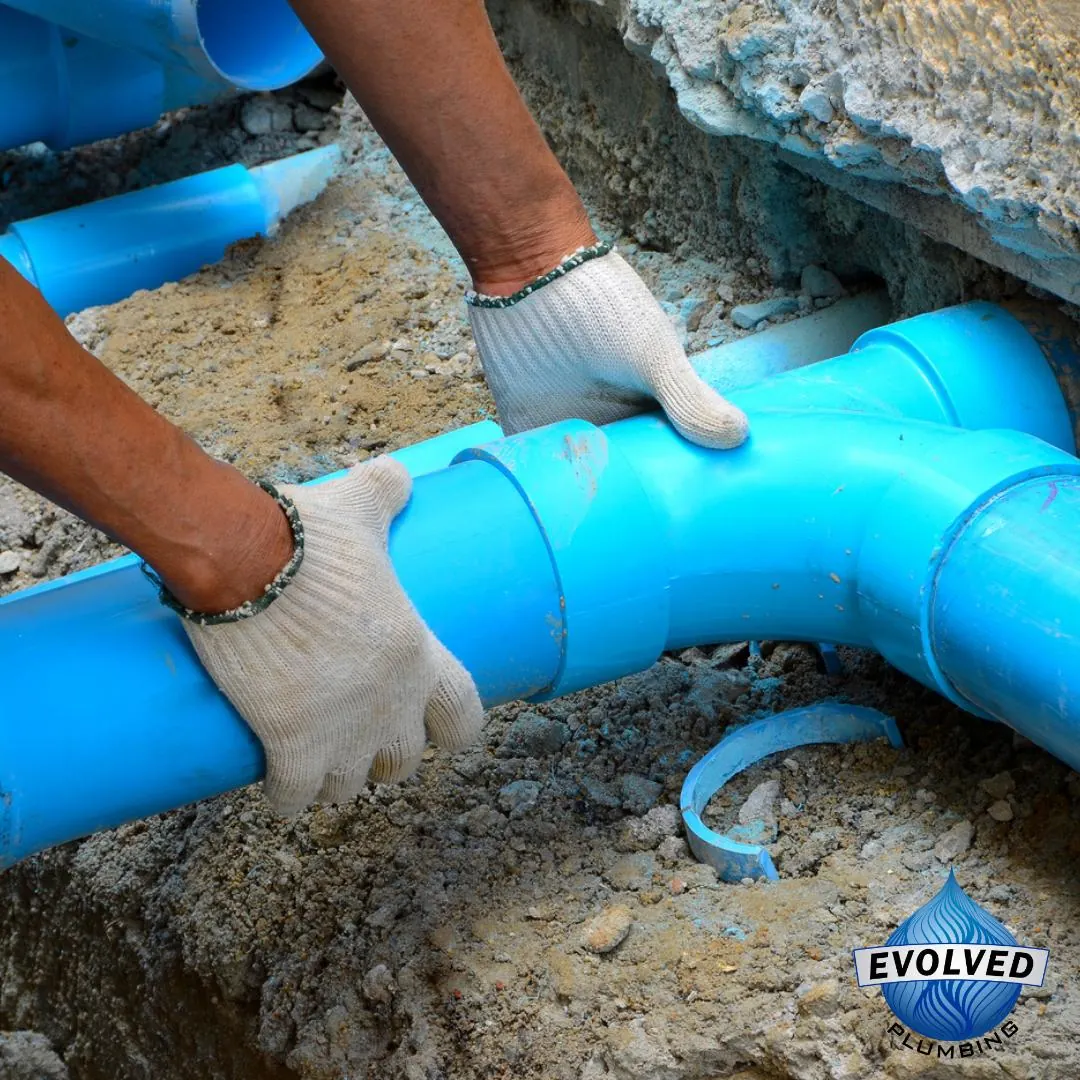
If multiple drains are slow, you have recurring backups, gurgling toilets, or sewage smells, stop using water and schedule a professional sewer camera inspection. A camera inspection pinpoints whether you’re dealing with a blockage (like roots or buildup) or a damaged line (like a crack, collapse, or offset joint). From there, the right fix may be targeted cleaning (snaking or hydro jetting), localized repair, or—when unavoidable—excavation to access and replace a failed section.
The biggest sewer line “red flags” Columbus homeowners shouldn’t ignore
Some sewer issues start small and escalate fast. Call for help from professional plumber if you notice:
- Multiple slow drains at the same time (sinks, tubs, showers)
- Recurring clogs that come back after you clear them
- Gurgling from drains or toilets
- Sewage odors inside or outside
- Basement drain backups or backups after heavy rain
- Wet spots in the yard you can’t explain
These patterns often point to a main sewer line problem, not a simple fixture clog.
Main sewer line repair vs. drain cleaning: why the “same clog” keeps coming back
A lot of sewer calls begin with someone saying, “We already tried clearing it.” That makes sense—because a slow drain feels like a clog.
But in real Columbus homes, repeated backups are often caused by issues deeper in the system, such as:
- Grease and sludge buildup that narrows the pipe over time
- Mineral scale and sediment
- Tree root intrusion (roots seek moisture and can enter through tiny gaps)
- Offset joints or bellies in the line where waste collects.
- Cracks or collapsed sections that catch debris again and again
Our goal is to help you get out of the repeat-backup cycle by matching the fix to the cause—not just restoring flow “for now.”
Sewer camera inspection in Columbus: stop guessing and start knowing
When the issue is in the sewer line, the fastest way to avoid wasted money is to actually see what’s happening inside the pipe.
What a sewer camera inspection helps us find
A sewer camera inspection can reveal:
- Blockages (grease, debris, “flushable” wipes, etc.)
- Tree roots
- Cracks, corrosion, or separated joints
- Pipe bellies (low spots holding water/waste)
- Collapsed or crushed pipe sections
This is especially helpful when you’ve had multiple backups, several slow drains at once, or you’re deciding between cleaning and repair.
When we recommend a camera inspection
We often recommend it when:
- The problem returns after snaking/clearing
- You suspect roots
- Multiple fixtures are affected.
- You want confidence before approving a bigger repair.
It’s one of the simplest ways to avoid paying for the wrong solution.
Hydro jetting for sewer lines: a deeper clean that can prevent repeat clogs
Sometimes the line isn’t broken—it’s just coated with buildup that keeps catching debris.
Hydro jetting uses high-pressure water to scour pipe walls and remove sludge, grease, and residue that standard snaking may leave behind. In many cases, that “deep clean” is what turns a recurring problem into a long-term fix.
Hydro jetting vs. snaking: what’s the difference?
- Snaking can be great for punching through a localized clog quickly.
- Hydro jetting is often better when you need a thorough cleaning to remove buildup that causes repeat clogs.
We’ll recommend what fits your situation—not what sounds most dramatic.
Trenchless sewer line repair options in Columbus: less digging, when the pipe qualifies
A lot of homeowners ask for “trenchless” because they want to avoid tearing up landscaping or driveways—and we understand why.
Trenchless methods (like pipe lining) can be a great fit when the existing pipe is structurally able to be rehabilitated. If the line is fully collapsed, heavily offset, or otherwise beyond repair, excavation may still be the safest route.
The right answer depends on what the camera shows—so we can help you choose based on facts, not guesses.
Excavation for sewer line repair: When repair is unavoidable, we can handle it
Some sewer issues aren’t “cleaning problems.” They’re damaged-line problems.
When repair is the right move, we walk you through the practical options. And because we offer excavation services, we can support solutions that require accessing buried lines—without bouncing you between multiple contractors.
Common causes of sewer line damage in Columbus, OH homes
Every home is different, but these patterns show up frequently:
- Tree roots are seeking moisture in older lines
- Grease buildup and heavy-use residue
- Older pipe materials with rough interiors that trap debris
- Ground shifting that causes separated joints or sagging sections
- Seasonal stress (freeze/thaw cycles can contribute to pipe strain)
The key is identifying which one you’re dealing with—and fixing the underlying issue, not just the symptom.
What to expect when you book Sewer Line Repair in Columbus, OH with us
A good service experience should feel straightforward. Here’s the general flow we aim for:
- Listen to the symptoms (what you’re seeing, when it happens, what’s changed)
- Inspect and diagnose (often with a camera when the main line is suspected)
- Explain options clearly (cleaning vs. repair vs. replacement)
- Complete the work with respect for your home
- Confirm proper flow and share prevention tips that actually help.
We focus on clear communication, transparent pricing, and repairs built to last.
Financing for sewer and drain repairs in Columbus
Sewer line repairs aren’t always planned—and delaying them can make the damage worse. To help homeowners move forward without unnecessary stress, we offer financing options through GoodLeap and Enhancify, with an easy application process and fast decisions (subject to approval).
Service area: Columbus and nearby communities
We’re based in Columbus, OH, and serve surrounding areas including Dublin, Westerville, Gahanna, Reynoldsburg, New Albany, Upper Arlington, and more.
Competitor-style promises you’ve probably seen—and what actually matters
When you’re shopping for sewer line repair, you’ll see a lot of similar claims: “fast,” “reliable,” “trenchless,” “24/7,” “upfront pricing.” (And yes—those things matter.) For example, multiple Columbus-area companies highlight 24/7 availability, trenchless options, and transparent estimates.
What matters most is whether your plumber can:
- Prove the cause (camera-based diagnosis instead of guesswork)
- Offer the right tool for the job (snaking vs. hydro jetting vs. repair)
- Handle repairs end-to-end if excavation is required.
- Explain options clearly so you can make the best decision for your home
That’s the standard we aim to deliver on every call.